Farmer Focus: The good, bad and ugly of harvest 2016
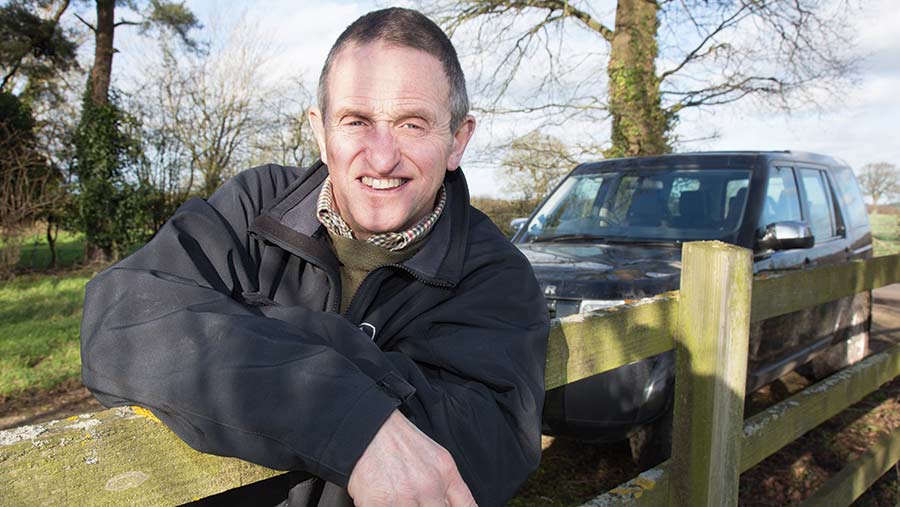 © Tim Scrivener
 The good, the bad and the downright ugly describes harvest so far.
It seems only right and proper I share with you the poor results as I have the good results from the past couple of years.
So, with my head hung in shame, I admit to only achieving 2t/ha overall for my winter oilseed rape.
The barley was slightly better with an average of 6.8t/ha, with yields ranging from 5.5-8.3t/ha.
Specific weights were better than many farmers have achieved this time at 61-63kg/hl, but still on the low side. What went wrong? Was it my fault and could I have done better?
These are always the questions you ask when a crop fails to deliver. The fact that others have had similar yields helps a little, but at the end of the day you still feel like a failure.
See also: Read more from our Arable Farmer Focus writers
So onwards and upwards – there is the rest of harvest to deal with yet and of course next year’s crop to establish.
There are always lessons to learn, but the bulk of my crop failure was down to the weather.
On our clay cap the long, wet winter left areas of both the oilseed rape and barley waterlogged for long periods, which in the end killed the crop.
One possible cure is drainage – either replacement or remedial work – but can we justify the huge expense of a new system? I very much doubt it, looking at the likely return on capital in the short term.
Also weather related, which I believe robbed us of yield in the oilseed rape and the winter barley, was the dull June. A lack of sunshine left us with small grain and, in the case of the rapeseed, underdeveloped pods.
I am not entirely sure how I can mitigate this problem in the future other than what I already do – growing a range of crops that develop at different times.
Now to the good news. Spring barley came off before the wheat with specific weights above 65kg/hl and an unimpressive yield of 5.5t/ha. The first block of Skyfall wheat averaged a pleasing 9t/ha. Hopefully back on track then.
Simon Beddows manages 1,000ha of arable land at Dunsden Green, south Oxfordshire. Cropping is cereals, oilseed rape, beans and forage maize.